
Miss Bürstner's Fate
The TrialThe character destiny of Miss Bürstner, who becomes a symbol of normal life and rejection for K.
increasing Bearing strength in each event
 decreasing
Bearing strength in each eventdecreasingInitial Encounter
The Unwitting Participant
Her Room Used
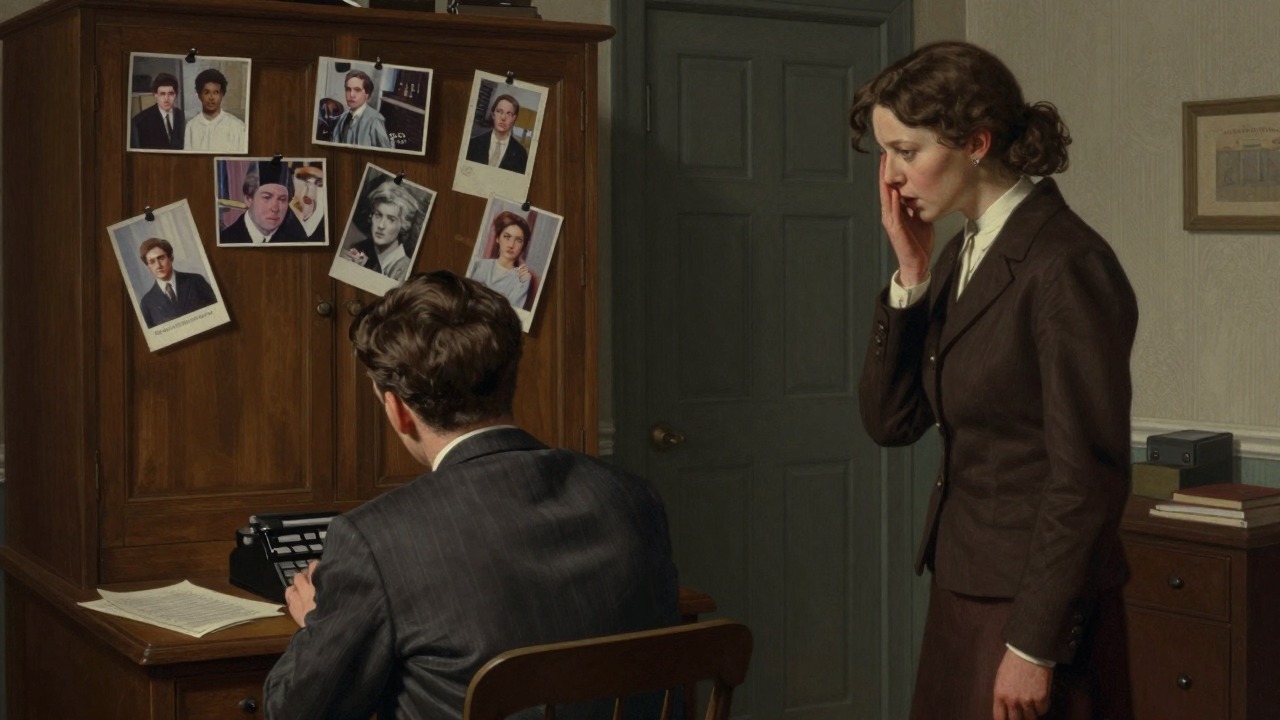
Miss Bürstner's room is used for K.'s arrest without her knowledge. She returns home to find her photographs disturbed. She is a typist, living a quiet life, now drawn into K.'s chaos.
K.'s Apology
K. waits for her and apologizes. She is curious but cautious. Their conversation leads to a passionate kiss, but she is frightened by the interruption. She becomes wary of K.
Avoidance and Rejection
The Withdrawal
K.'s Pursuit
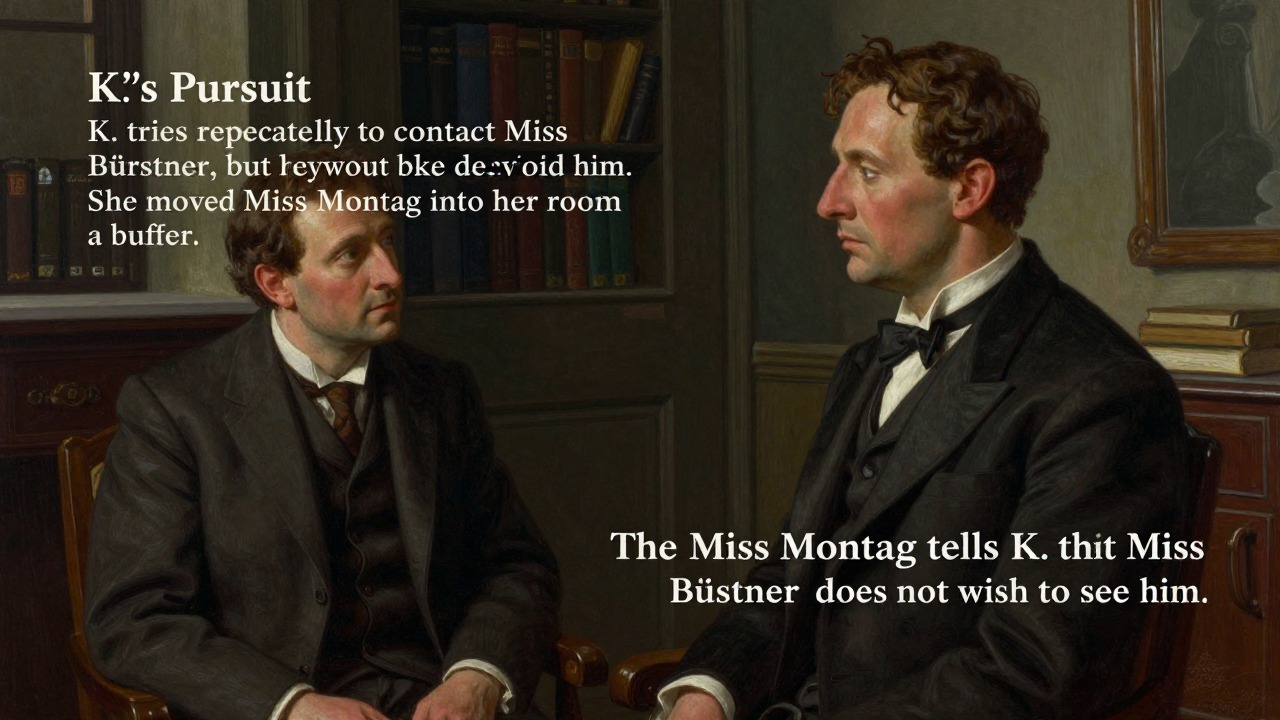
K. tries repeatedly to contact Miss Bürstner, but she avoids him. She moves Miss Montag into her room as a buffer. K. feels rejected and suspects she is aligning with the captain.
The Intermediary
Miss Montag tells K. that Miss Bürstner does not wish to see him. K. is humiliated. Miss Bürstner's fate is to be drawn into the trial's orbit and then to extricate herself, leaving K. alone.
Final Appearance
The Ghost of the Past
A Glimpse
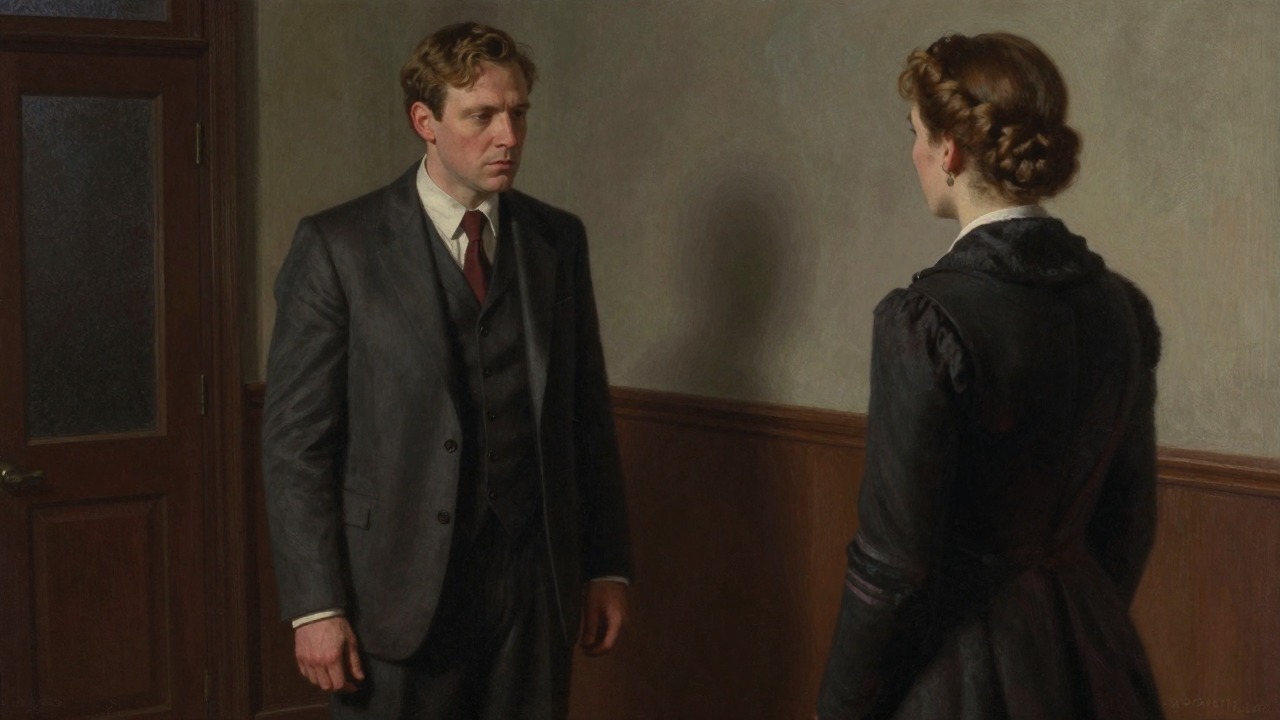
As K. is led to his death, he sees a woman resembling Miss Bürstner. She represents the life he could have had. Her presence is a reproach, reminding him of his failure to connect with others.
Symbolic Role
Miss Bürstner's fate is to remain an ordinary person, untouched by the court, while K. is destroyed. She embodies the normalcy that the trial has denied him.
Morning of the arrest
Following days
Evening of the execution
